


Too many district support questions don’t need to become tickets in the first place.
Let schoolAgent answer common questions, create requests when support is needed, and automatically route work to the right team.
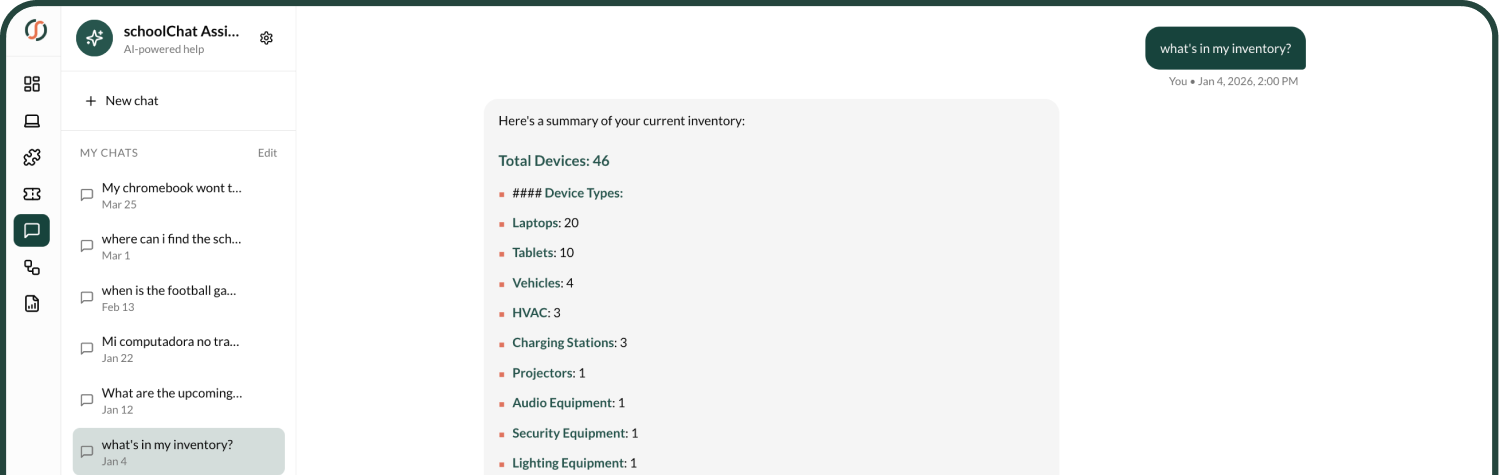
When teachers, families, students, and staff aren't sure where to go for help, they often try multiple paths to get answers or resolve issues.
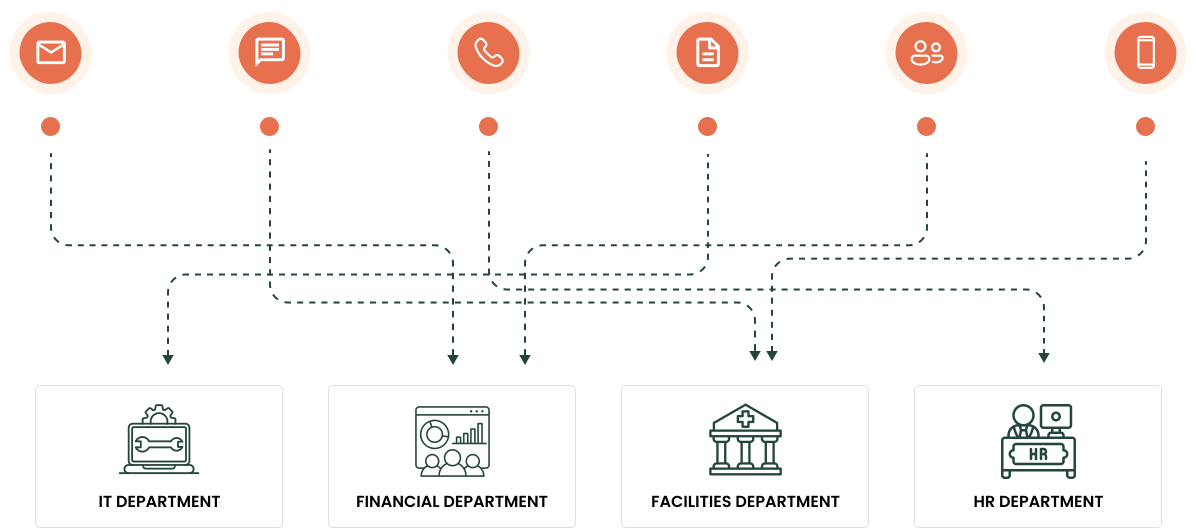
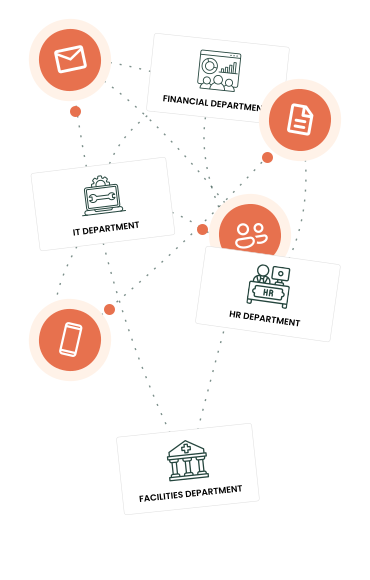
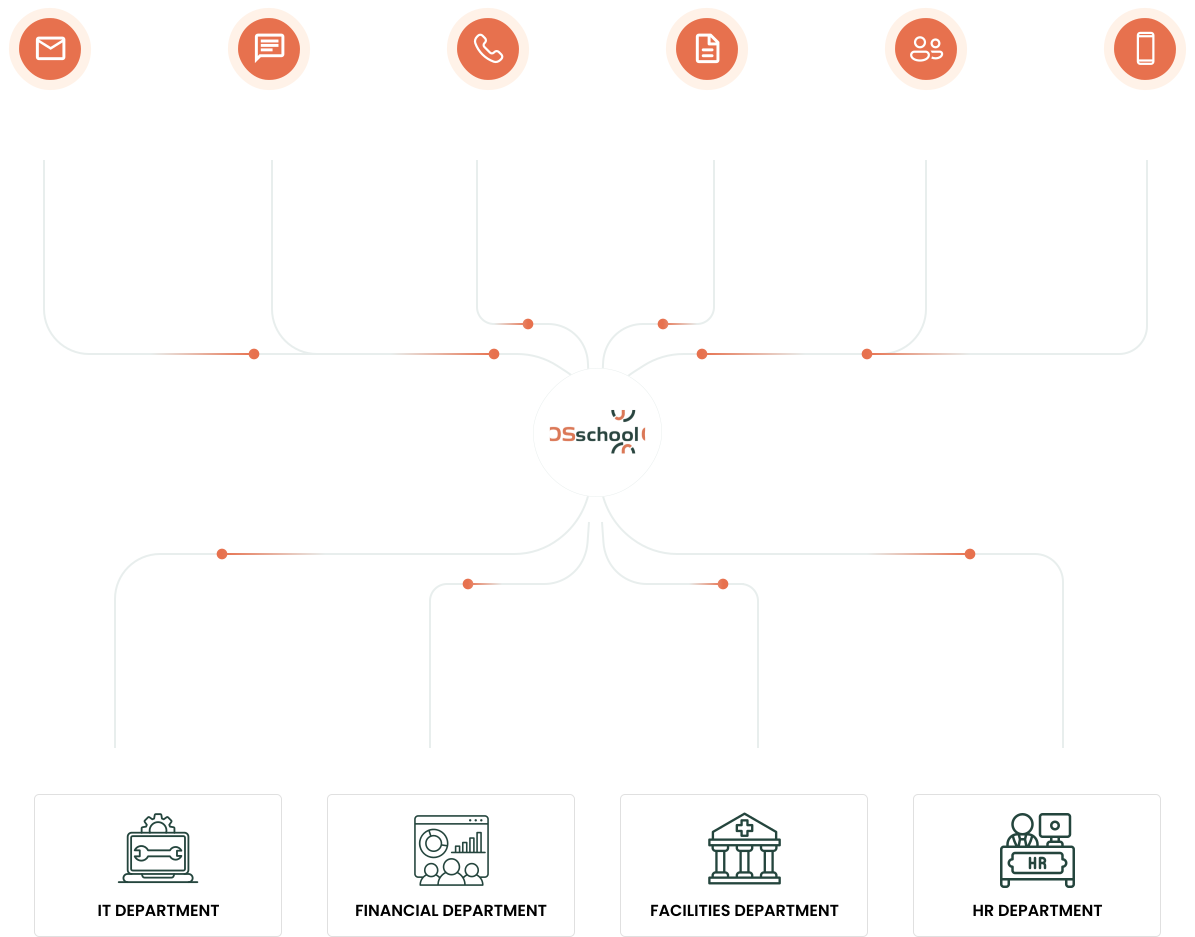
schoolAgent gives everyone a single front door for support. By creating one place to start, you make it easier for people to get the help they need.
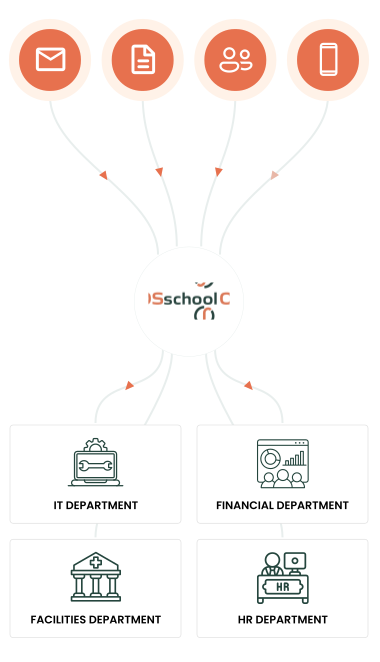
Many support requests begin with questions you’ve heard before.
schoolAgent analyzes each inquiry and, if possible, answers questions immediately using your district's existing knowledge.
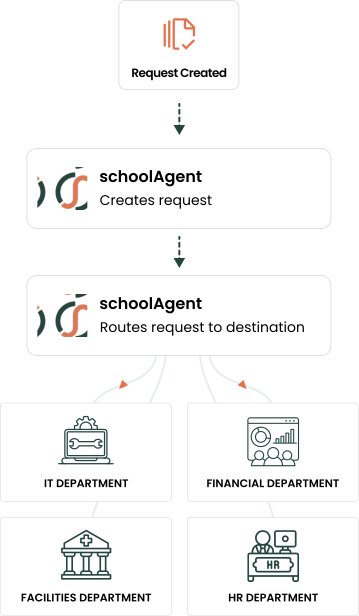
If additional support is needed, schoolAgent creates a request, gathering the necessary information upfront so teams have the context they need to take action.
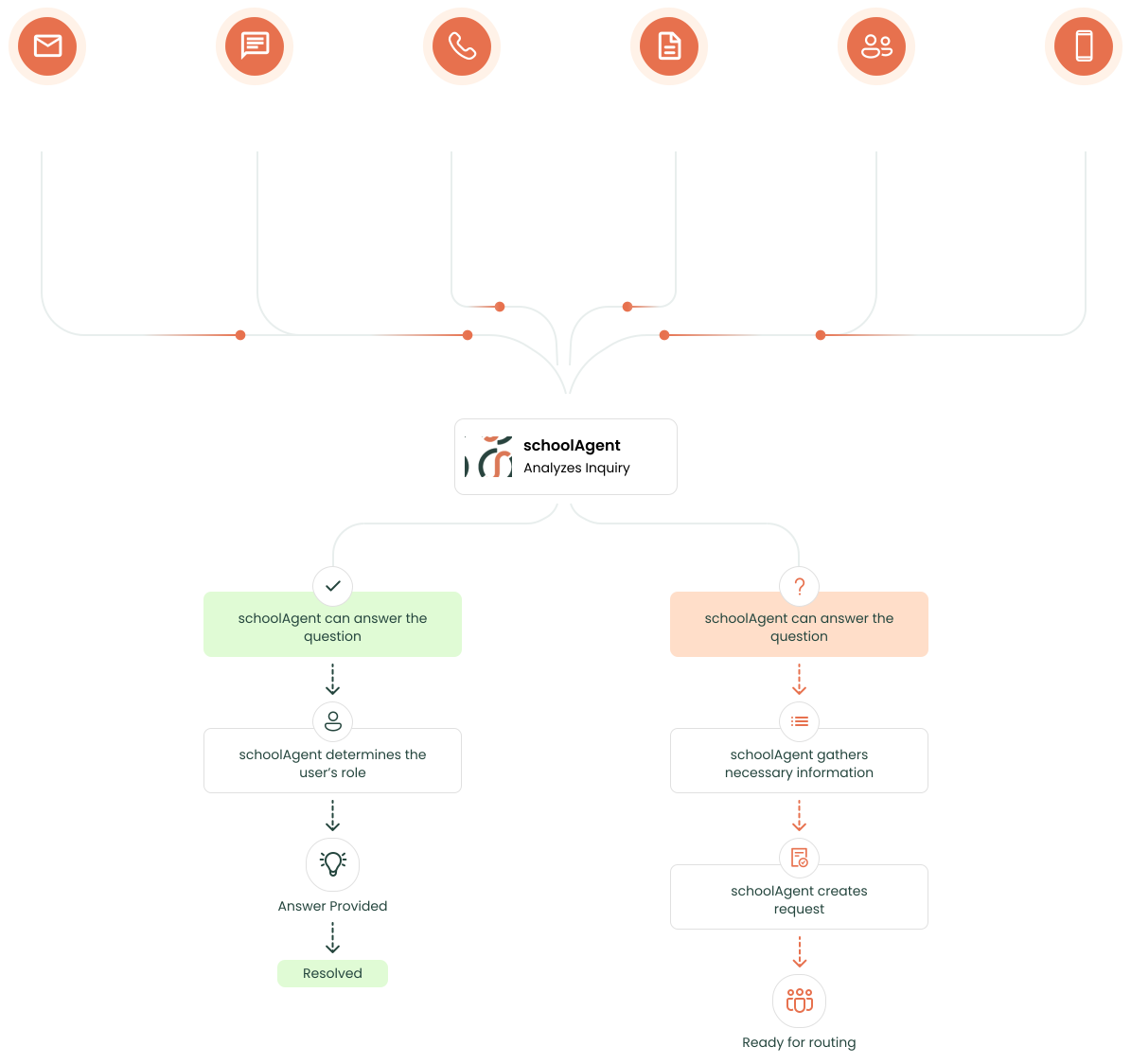
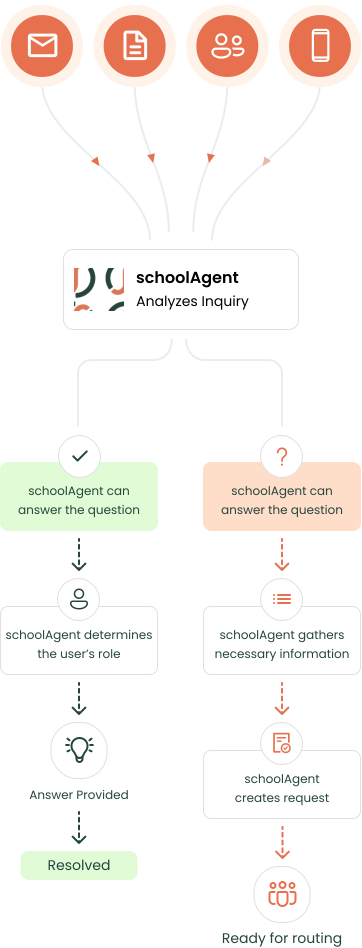

After creating a request, schoolAgent determines where it needs to go and routes it automatically to the right team, workflow, or system.
When you’re able to eliminate manual triage and request routing, you free up teams to focus on real work.
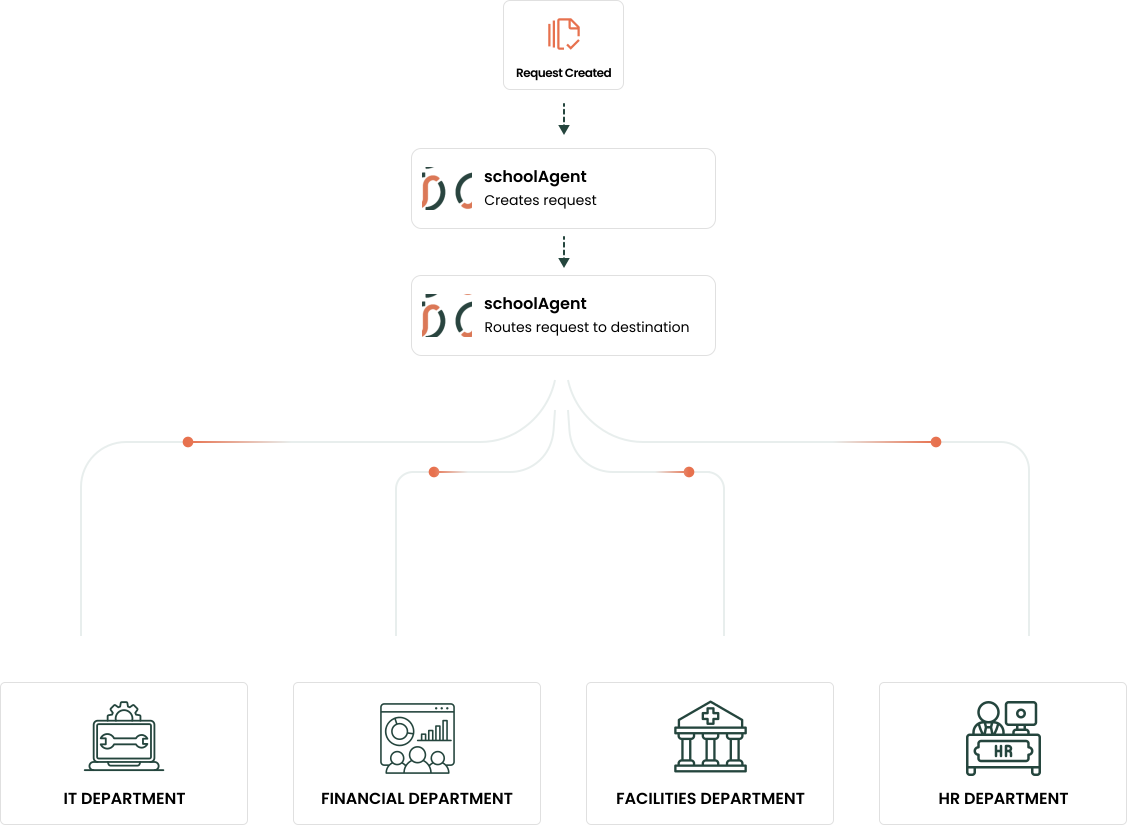
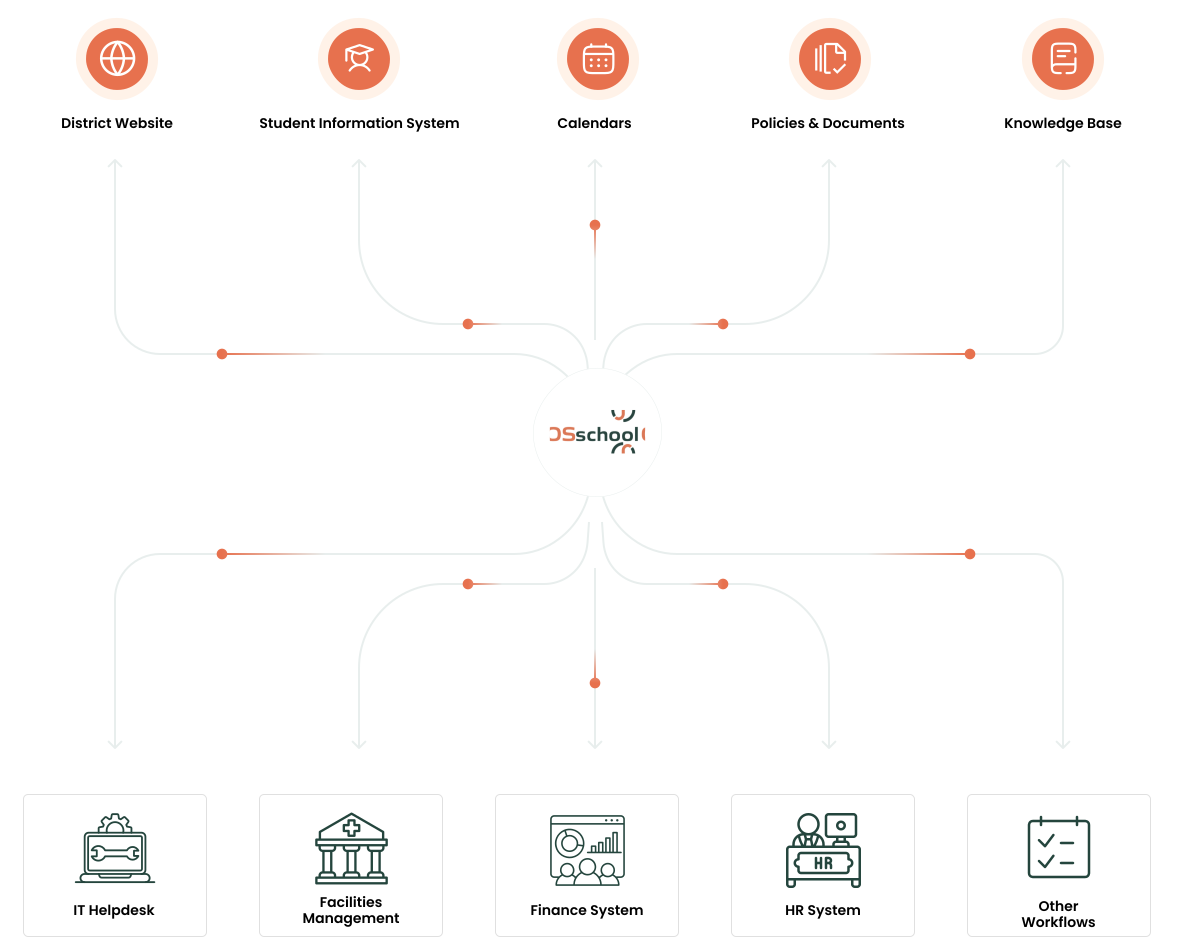
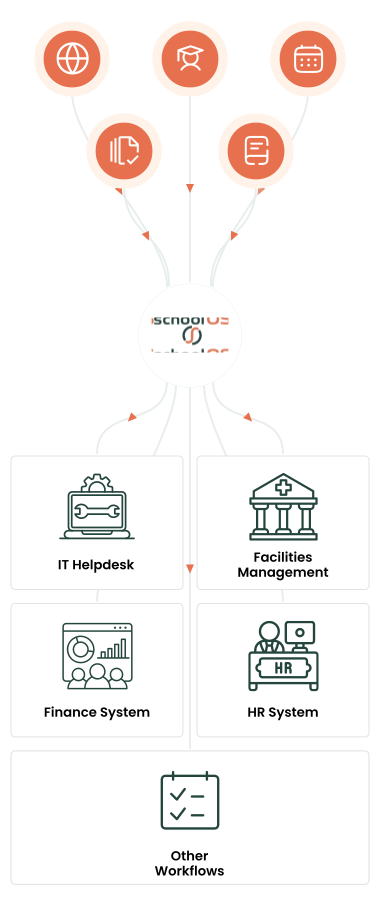
schoolAgent works alongside the cross-departmental systems and workflows your district already relies on.
By connecting to sources including your district website, student information system (SIS), calendars, policies, and internal documentation, schoolAgent delivers answers using information your teams already maintain. Role-based access ensures the right people get access to the right information.
Every question, request, and workflow that passes through schoolAgent creates a clearer picture of how work moves across your district.
With this insight, you can identify bottlenecks, uncover hidden work, and make smarter operational decisions.



Every district manages thousands of questions, requests, and operational interactions each year. Yet much of that work remains difficult to see, measure, and understand.
By bringing these activities into a common layer, schoolAgent lays the foundation for operational intelligence.
What begins as a better support experience ultimately leads to a better understanding of district operations.
For the first time, you can see what's driving operational demand, where work is getting stuck, and where additional support may be needed.